Money buys the campus
Printed hoardings, hired vehicles, and free food decide a poll that a spending cap was meant to keep affordable for everyone.

For students and colleges
Fair Election is a brief for students, class representatives, and college election committees: why campus polls matter, how an honest one is run, and what to do when the rules bend.
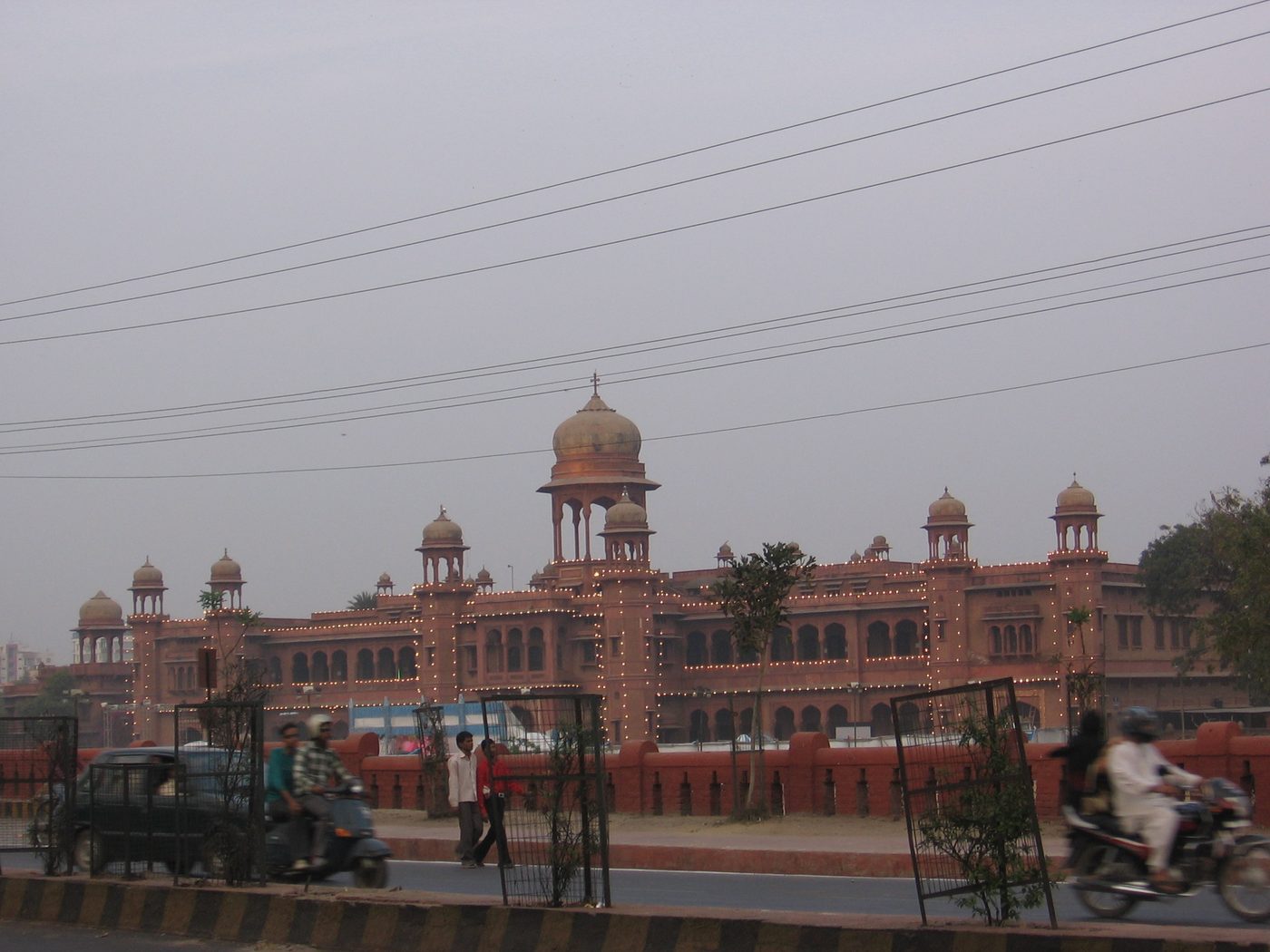
The roll
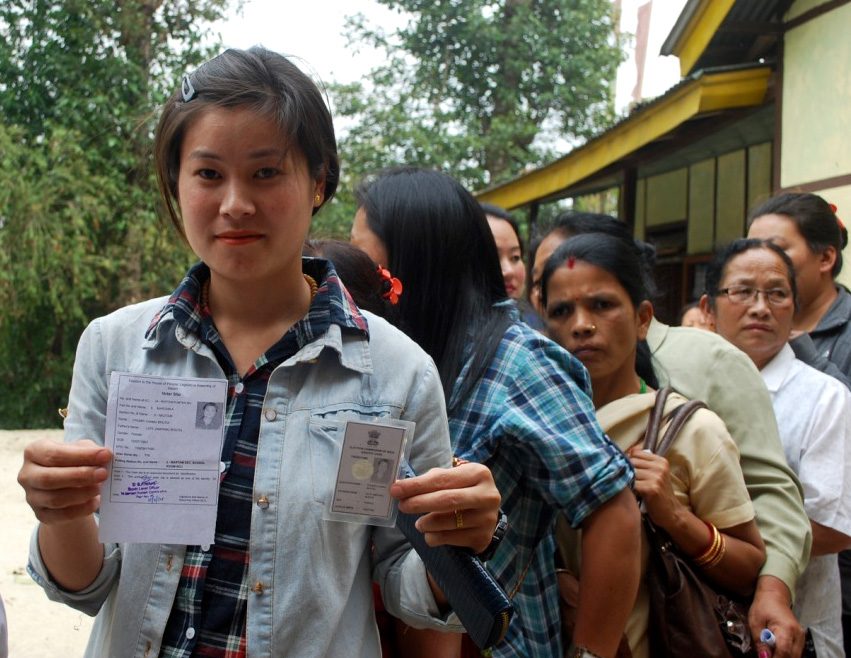
One enrolled student, one vote — taken from the admission register, not from a candidate's list.
The campaign
Ideas and handmade posters, within a declared spending limit, and no outside money.
The count
Counted in front of candidate agents, and results put on the notice board the same day.
01
For most students, a union election is the first vote they ever cast. Whatever the campus teaches them about elections in those few weeks, they carry to every polling booth afterwards. A rigged college poll does not stay in college.
A union is also the only body that can argue with an administration on equal footing: about fees, hostel food, lab hours, scholarships, harassment complaints, and exam schedules. A union that arrived by muscle or money argues for whoever installed it. A union that arrived by counted votes argues for the students.
Fair campus elections also protect the ordinary candidate — the student with a case to make and no funding behind them. Where the contest is clean, competence can win. Where it is not, only backing can.
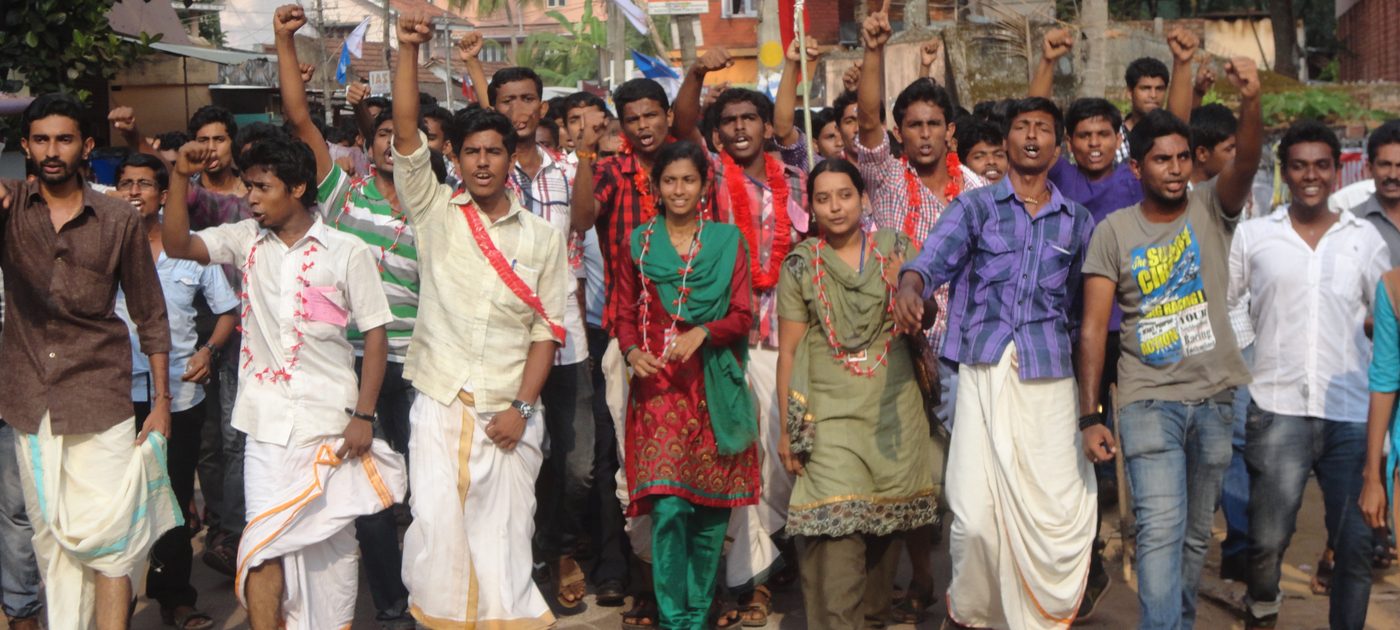
02
A campus poll is small enough that every safeguard is affordable. That is precisely why skipping one is a choice, not an accident.
In India, student union elections are commonly governed by the recommendations of the 2006 committee headed by former Chief Election Commissioner J. M. Lyngdoh, which the Supreme Court directed institutions to follow. Universities adopt them through their own statutes, so ask your college for the exact version it applies — and for the name of its returning officer.

03
Campus rigging rarely looks dramatic. It looks like a nomination rejected on a technicality, a roll nobody was allowed to check, or a count held after the observers went home.
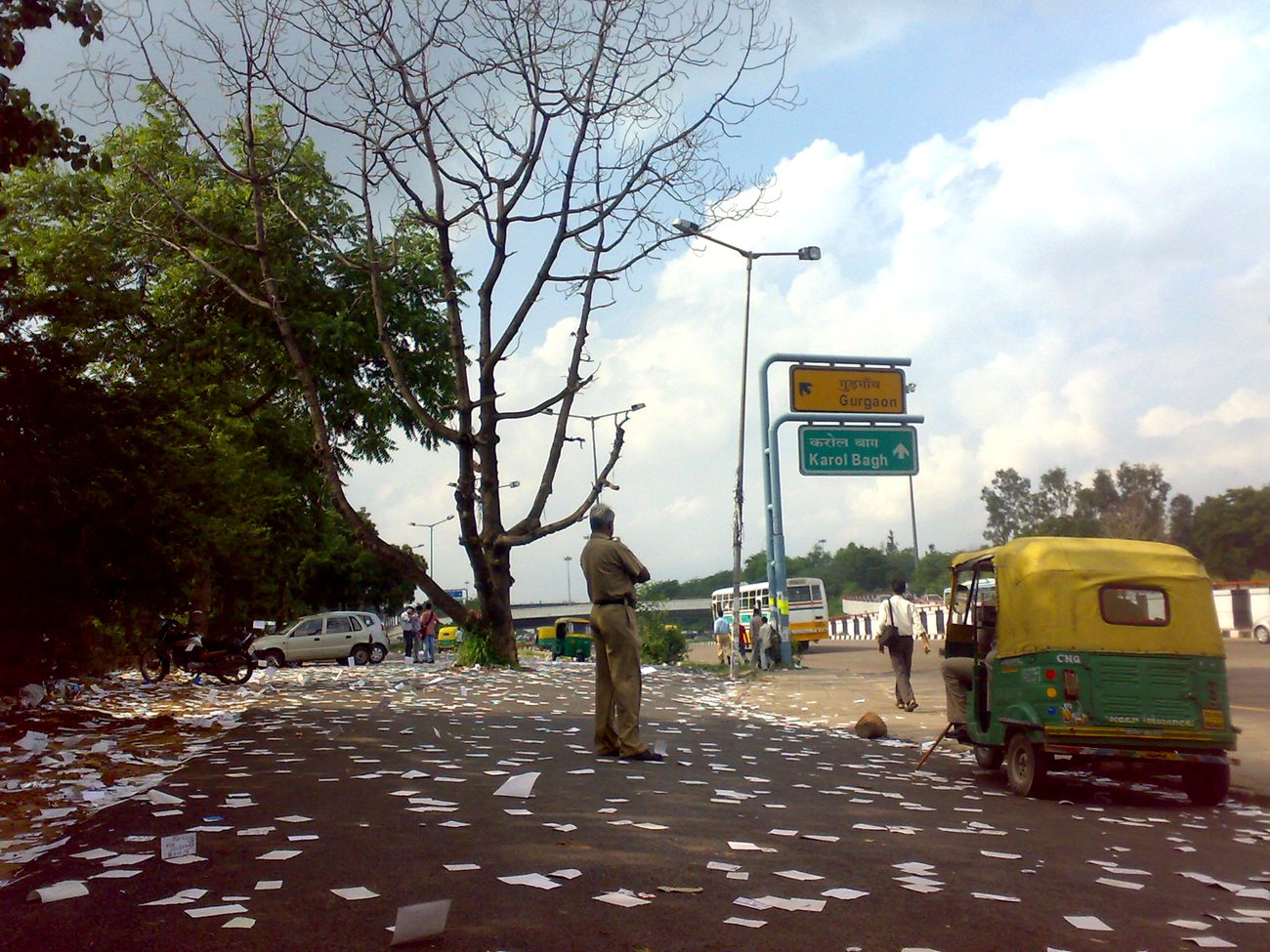
Printed hoardings, hired vehicles, and free food decide a poll that a spending cap was meant to keep affordable for everyone.
Non-students fund panels, dictate candidates, and appear at the gates on polling day. The union then answers to them.
Seniors escorting juniors to the booth, hostel-wing pressure, and threats to those who campaign for the other side.
Convenient postponement, selective disqualification, or a returning officer who takes instructions.
Students who cannot match the spending stop contesting, and the field narrows to those who can. Turnout falls with it.
A first vote that plainly did not count teaches a young citizen that no vote counts. That belief outlives the degree.
04
Most campus wrongdoing survives because students are unsure what they may insist on. These are ordinary entitlements, not favours, and asking for them is not indiscipline.
On campus
A students' union election is a general election in miniature. The same eight steps decide whether it is honest — and each is a place where a college either protects the poll or quietly loses it.
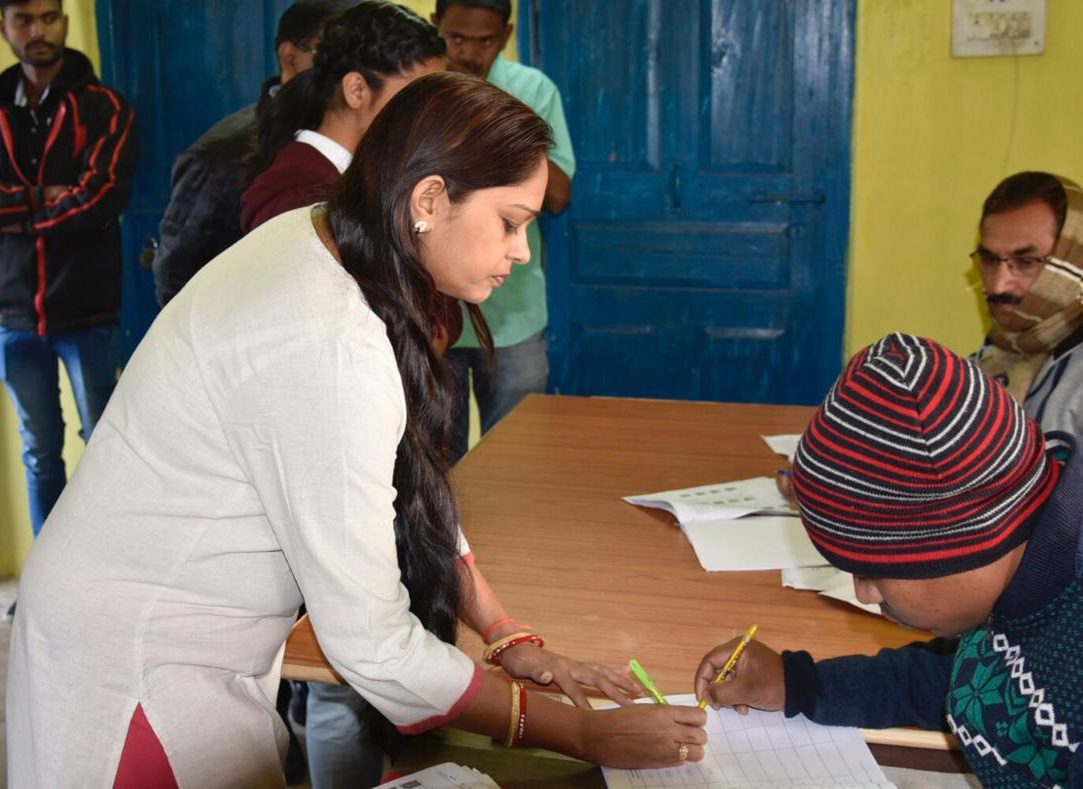
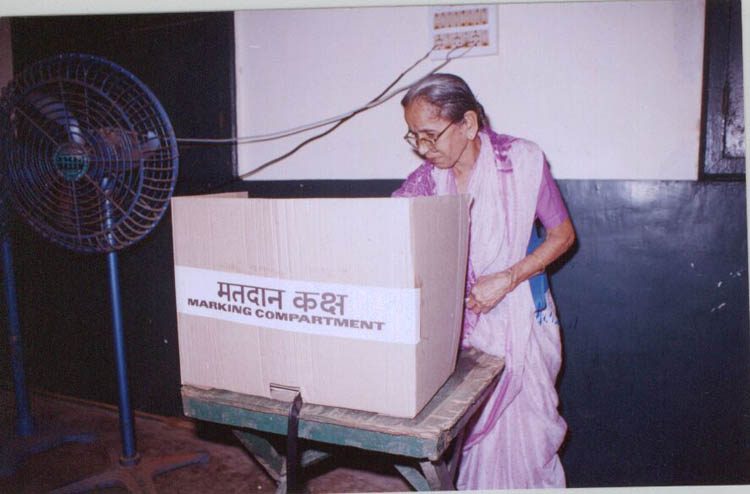
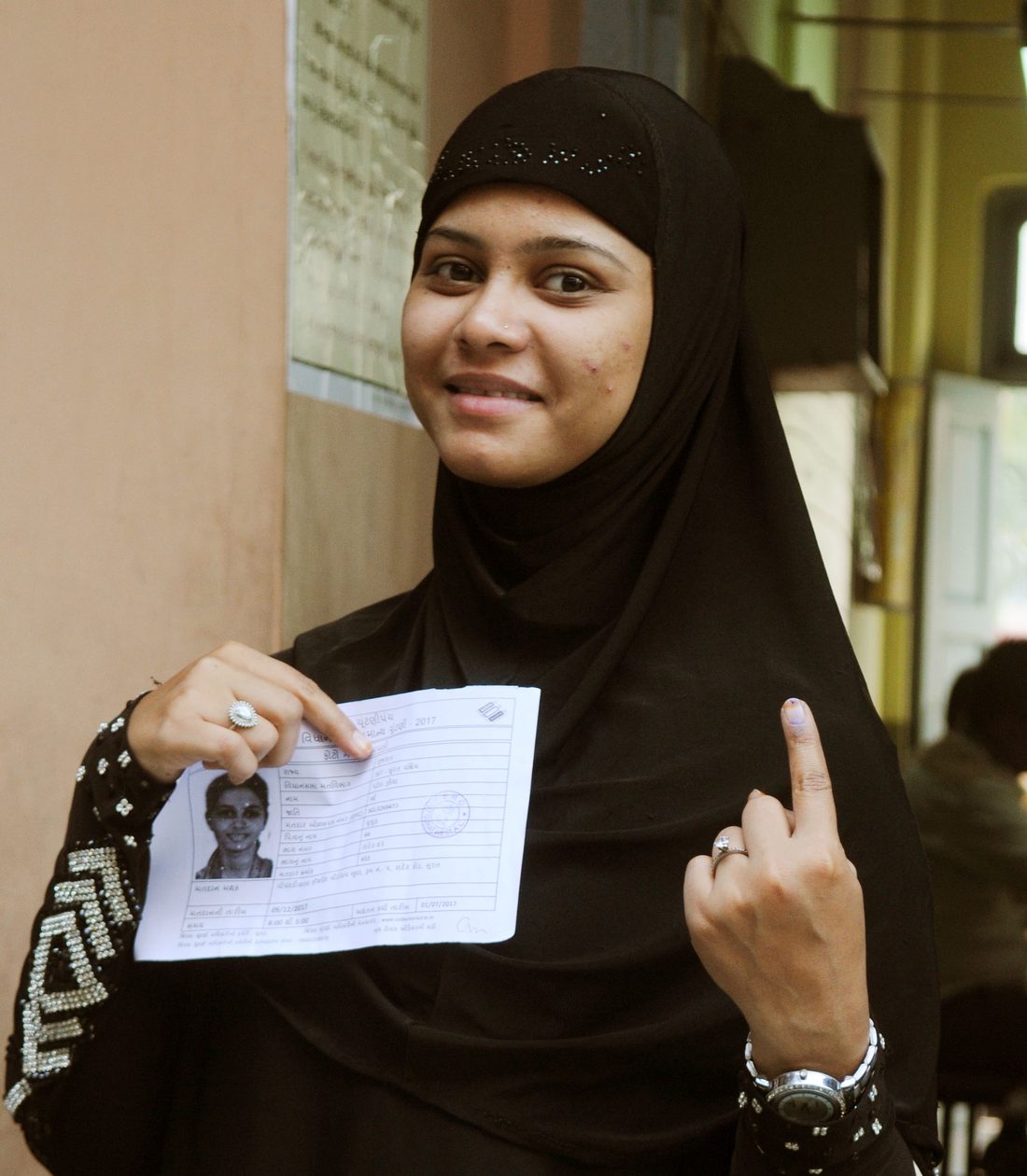
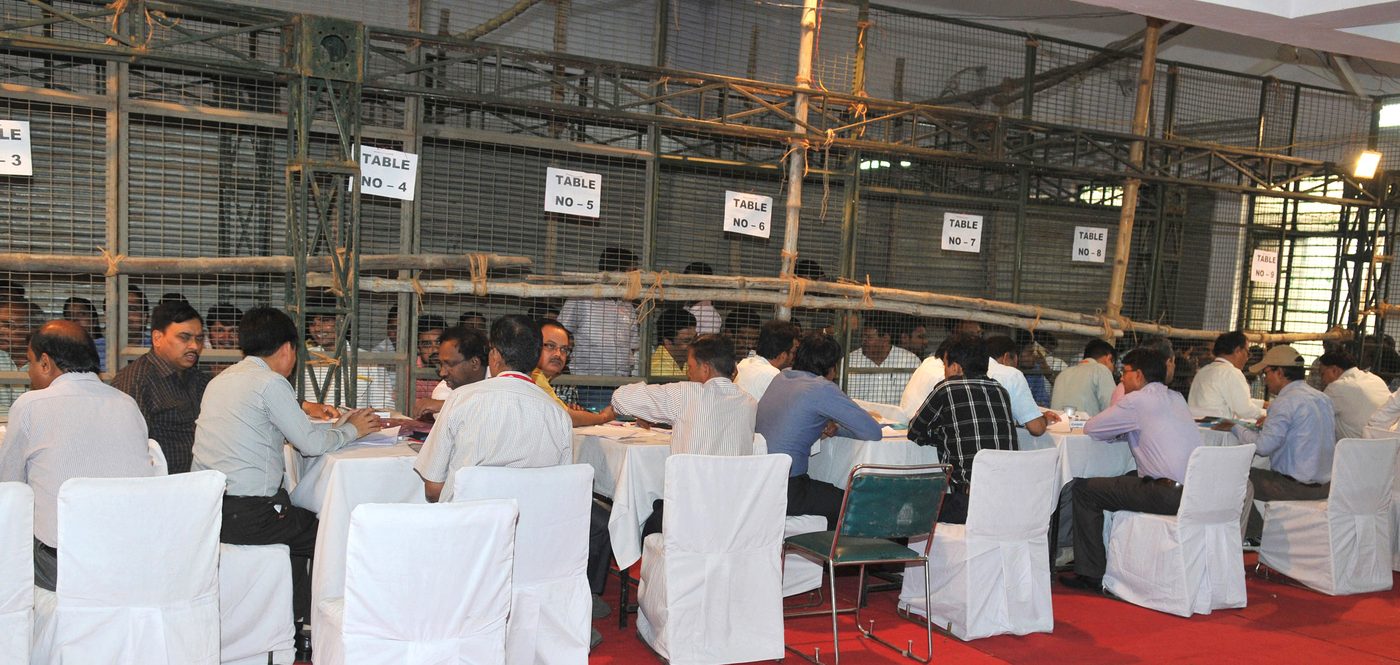
Campus photographs from Wikimedia Commons under CC BY-SA 4.0 and CC BY-SA 3.0. Polling process photographs from Election Commission of India and Government of India collections under the Government Open Data Licence — India. No person shown endorses this site.
05
A useful complaint is specific, first-hand, and dated. Inside a college, the order in which you send it matters as much as the content.
Date, time, place on campus, and the post being contested. What happened, in plain words, in the order it happened.
Mark clearly what you witnessed yourself and what someone told you. Both are useful; confusing them is not.
Photographs, notices, pamphlets, messages, receipts. Keep the originals and do not crop or edit them.
Returning officer or election committee, then the grievance cell, then the dean of students or principal, then the university.
Ask for a dated acknowledgement at every step and keep a copy of everything you submit. If you are worried about being identified, say so in the complaint, and write to us at the address below.
06
An election committee that is not a campaign office, a roll taken straight from the enrolment register, published eligibility rules applied to everyone, a secret ballot, counting that candidate agents may watch, and a grievance cell that answers before the new office-bearers take charge.
A 2006 committee headed by former Chief Election Commissioner J. M. Lyngdoh framed rules for student union elections in India, which the Supreme Court directed institutions to follow. They cover candidate eligibility and attendance, a strict cap on campaign spending, a ban on printed campaign material, a timetable tied to the start of the academic session, and a grievance redressal mechanism. Colleges apply them through their own statutes, so ask your institution for the version it follows.
A campus election belongs to the enrolled students of that institution. People who are not on its rolls have no business canvassing inside it, funding it, or standing at its gates on polling day.
It must be. No one may watch you mark a ballot, ask you to photograph it, or require you to show how you voted — not a senior, not a warden, not a candidate's panel.
Ask the election committee in writing for the reason and for a correction, and attach proof of current enrolment. Do it while the list is still open for objection; that window is short.
The returning officer or election committee at your college, then the grievance cell, then the dean of students or principal, then the university. Always in writing, always keep a copy.
We are not an authority and cannot order an inquiry. We read what is sent, and we can point you to the office that has the power to act.
07
08
Students, class representatives, and election committee members are all welcome to write. Send a report, a document, or a question about process. Do not send rumours you cannot stand behind.
We read every message. We cannot promise a reply to each one, and we never publish a student's name without permission.
Unauthorised Access
Only Members can login.